Unveiling Workload Distribution Patterns in Congested Calendars for Goal Markets and Equine Performance Forecasts
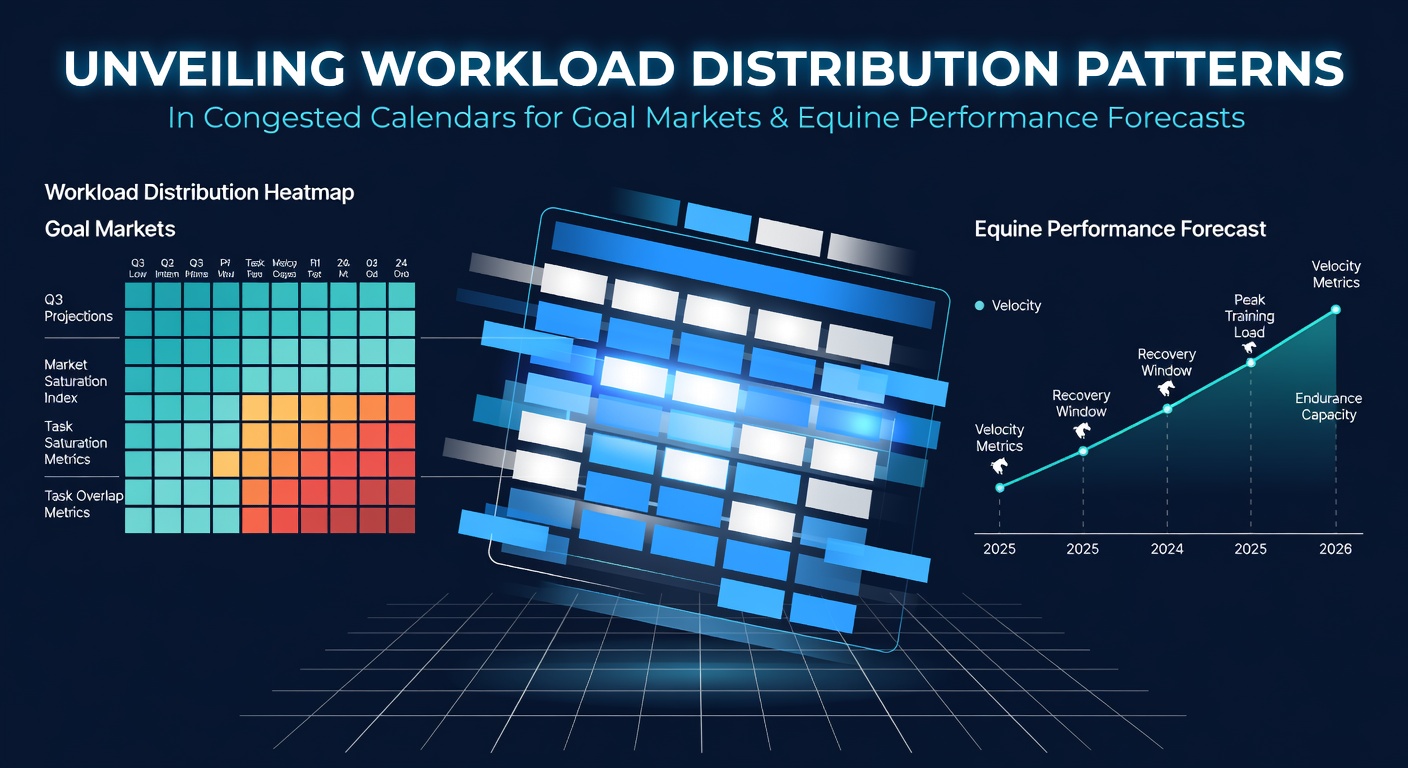
Fixture congestion creates measurable shifts in performance across football goal markets and equine forecasts, and observers note that these patterns emerge most clearly during periods when teams and stables face compressed timelines. Research from sports science institutions shows that player recovery windows shrink below optimal thresholds when matches pile up within seven to ten days, leading to altered scoring distributions in leagues such as the Premier League and Serie A. Data indicates that defensive metrics decline faster than attacking outputs under repeated high-intensity efforts, which directly influences over/under totals and both-teams-to-score probabilities.
Football Workload Metrics in Tight Schedules
Analysts track external load through GPS and heart-rate monitoring systems that record total distance covered, high-speed running bouts, and acceleration counts, while internal load appears in session-RPE scores collected after each fixture. Studies conducted across multiple European top-flight seasons reveal that teams playing three matches in eight days post fewer shots on target in the third game compared with the first, yet concede more entries into the penalty area because recovery between sprints lengthens. These workload spikes coincide with measurable drops in pass completion accuracy in central midfield zones, patterns that betting markets incorporate when setting line movements for May 2026 end-of-season clusters where title races and relegation battles overlap.
Coaches adjust rotation policies based on accumulated fatigue indices rather than calendar dates alone, and evidence from Italian Serie A tracking data demonstrates that clubs using four or more squad rotations in congested windows maintain higher clean-sheet rates. Goal-market forecasters therefore examine squad-depth charts alongside fixture lists because teams lacking adequate bench options produce wider variance in expected goals, which widens the distribution of outcomes in over 2.5 goals markets.
Equine Performance Under Compressed Racing Calendars
Thoroughbred schedules in flat and jumps seasons also compress when major festivals fall close together, forcing trainers to decide between quick turnarounds and longer freshening periods. Veterinary records compiled by racing authorities show that horses returning within fourteen days after a Group race exhibit reduced stride length in the final furlong, while those rested twenty-one days or more sustain peak velocity longer. Handicappers therefore adjust performance figures by incorporating days-since-last-start variables, and these adjustments tighten forecast margins in races where multiple contenders share similar recent workload profiles.
Track-surface changes compound the effects, because horses racing on firm ground after soft-ground efforts require additional recovery time that congested calendars rarely allow. Performance databases indicate that horses stepping up in class after a short break post lower win percentages, whereas those dropping in grade after similar spacing maintain closer to baseline strike rates, patterns that feed directly into place and each-way forecasts.

Cross-Sport Data Integration for Forecasting Models
Statistical agencies combine football player-tracking outputs with equine biometric readings to build multi-sport workload indices, and these composite scores highlight periods when simultaneous congestion in both codes produces correlated deviations from expected results. A Canadian sports science review examined five seasons of overlapping schedules and found that goal tallies in football rise modestly when average team rest drops below four days, while horse racing strike rates for favourites decline in the same windows. Model builders therefore weight recent fixture density more heavily than historical averages when constructing projections for May 2026, the month when domestic leagues conclude and several major racing festivals occur within ten days of each other.
Practitioners also monitor cumulative workload across training blocks rather than isolated matches, because chronic load elevation predicts soft-tissue issues that alter both team selection and individual horse participation. European sports medicine groups publish seasonal reports showing that clubs maintaining load-management protocols experience fewer late-season goal concessions, a trend that narrows variance in under 2.5 goals markets during the final weeks of campaigns.
Calendar Design and Market Implications
Governing bodies publish fixture lists months in advance, yet weather-related postponements and European competition extensions frequently create unforeseen clusters that workload models must accommodate. Forecasting teams therefore run scenario simulations that insert hypothetical extra fixtures into baseline calendars, and these simulations demonstrate how small shifts in rest distribution alter both expected-goal values and equine speed figures. Industry reports from the Australian Sports Commission confirm that similar density effects appear in southern-hemisphere racing and football codes, reinforcing the generalisability of workload-adjusted forecasts.
Market operators adjust odds incrementally as fixture congestion data updates, and sharp bettors track these adjustments against real-time squad announcements and veterinary declarations. The resulting interplay between published schedules, workload metrics, and live information creates the dynamic environment in which goal-market and equine-performance forecasts operate throughout periods such as May 2026.
Conclusion
Workload distribution patterns in congested calendars supply quantifiable inputs that refine goal-market probabilities and equine performance forecasts, and organisations continue to expand data-collection frameworks to capture these variables with greater precision. Observers who integrate player-tracking outputs, veterinary records, and fixture-density indices obtain forecasts that reflect the physical realities of modern schedules rather than static historical averages alone.