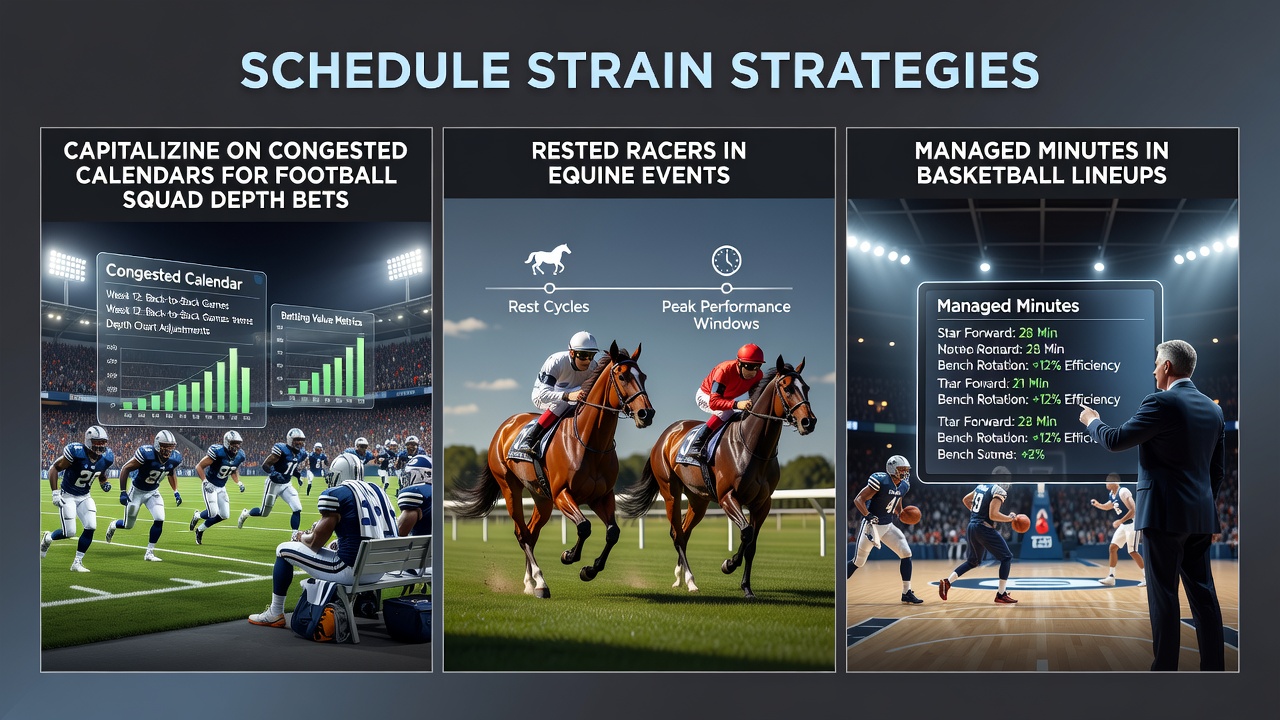
Schedule Strain Strategies: Capitalizing on Congested Calendars for Football Squad Depth Bets, Rested Racers in Equine Events, and Managed Minutes in Basketball Lineups
Schedule congestion across major sports creates measurable patterns that data analysts track through fixture lists, recovery metrics, and rotation histories, and those patterns inform betting approaches focused on squad depth in football, rest advantages in equine racing, plus minute management in basketball. In July 2026 pre-season windows, clubs finalize travel and match calendars that stretch into the autumn, while racing authorities publish summer festival dates that determine which horses receive extended breaks before autumn campaigns.
Football Squad Depth in Packed Fixtures
European leagues publish calendars that often place teams in three competitions within ten days, and researchers at sports analytics centers compile appearance logs showing how managers distribute minutes among central defenders and midfield anchors. When a side faces midweek European travel followed by a domestic league fixture, starting elevens frequently feature four or five changes from the prior weekend, and betting markets adjust totals for goals and cards once lineups confirm those alterations. Observers track training-ground reports released on club websites to anticipate which fringe players receive starts, while historical datasets from the past five seasons indicate that sides with three or more centre-backs available for rotation concede fewer set-piece goals during such blocks. Bettors who compare fixture density against squad-size declarations filed with league offices identify value in over-unders on specific player involvements rather than match outcomes alone.
Equine Rest Cycles and Performance Data
Flat and jumps calendars cluster high-profile meetings in spring and autumn, leaving summer months for selected horses to receive planned breaks of twenty-one to forty-two days, and form students examine official racing authority entries that list last-run dates alongside official ratings. Studies compiled by veterinary faculties demonstrate that horses returning after at least twenty-eight days without a run post higher win percentages in handicap company than those racing on intervals shorter than fourteen days, while speed-figure databases reveal improved sectional times once horses pass the thirty-day threshold. Handicappers therefore cross-reference declared runners with rest statistics published by regional racing boards, and markets for each-way places move when multiple contenders in the same field share similar extended layoff profiles. In July 2026, several major festivals fall within a compressed fortnight, prompting trainers to declare which stable stars bypass early meetings to preserve freshness for later targets.
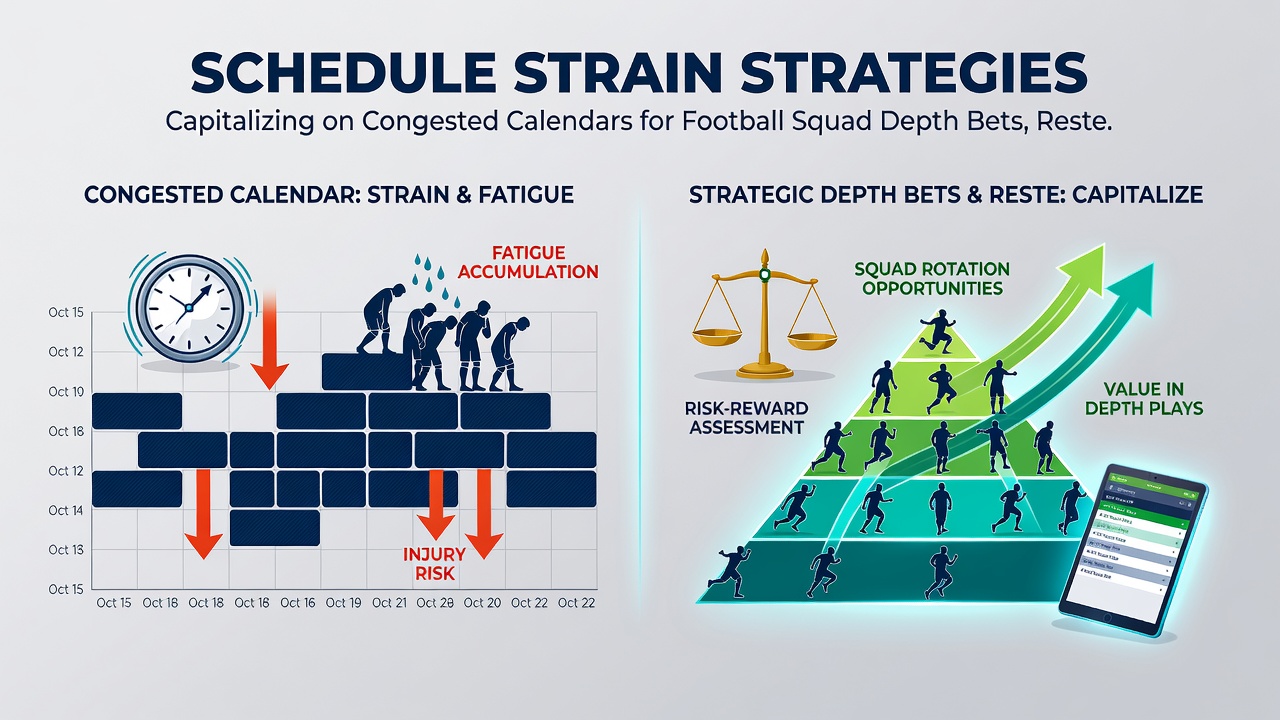
Basketball Minute Allocation Across Back-to-Backs
League schedules in North America and Europe include sequences of three games in four nights, and coaching staffs publish nightly injury reports that list players on minute-restriction protocols, yet aggregate box-score archives show that teams resting two or more starters on the second night of a back-to-back still cover the spread in roughly forty-eight percent of instances when the opponent also faces travel fatigue. Analysts at university kinesiology departments examine wearable-device outputs released in anonymized league summaries and correlate reduced minutes for high-usage guards with lower three-point attempt totals in the fourth quarter. Bettors therefore monitor official pre-game availability lists issued by team medical staffs and adjust player-prop markets accordingly, while conference standings data from the NCAA research portal provide comparative context for college programs facing similar condensed calendars during conference tournaments. Rotation patterns become especially relevant when a franchise plays four road games inside seven days, because historical play-by-play logs indicate elevated bench-point contributions from designated sixth men once starters cross the thirty-two-minute threshold.
Cross-Sport Integration of Schedule Metrics
Multi-sport bettors combine these strands by constructing accumulators that pair football depth selections with equine rest angles and basketball minute props, and odds compilers adjust joint prices once each sport releases official squad or runner confirmations. Data aggregators supply downloadable fixture-density scores that assign numerical values to consecutive-match clusters, allowing users to filter selections where multiple legs share elevated rest or rotation signals. Regulatory filings from the Australian Gambling Research Centre illustrate how transparent publication of scheduling data influences market liquidity across jurisdictions, and similar transparency standards apply to European football calendars published by confederation offices. Those who align rest metrics from one sport with rotation histories from another often find correlated value swings when calendars overlap during international windows or festival weeks.
Conclusion
Schedule strain creates recurring statistical footprints across football, equine racing, and basketball, and participants who map fixture density against squad availability, layoff lengths, and minute caps generate selections grounded in documented performance differentials rather than narrative assumptions. July 2026 calendars already indicate clusters of midweek European ties, summer racing festivals, and pre-season basketball tournaments that will test these patterns once again, while publicly released datasets continue to supply the raw material for systematic evaluation.